

Startling Statistic: Did you know that nearly 30,000 civil rights violations by police officers were reported in the United States last year alone? That’s a sobering reminder that no one should take their civil rights for granted
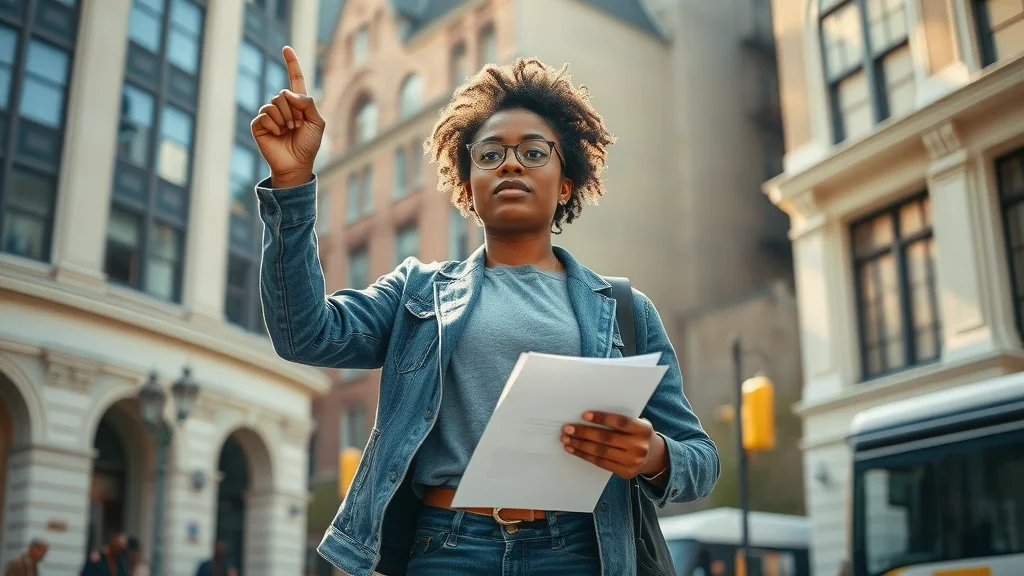
Understanding Civil Rights, False Arrest & Malicious Prosecution: The Basics
Civil rights exist at the core of the American legal system, promising every citizen fair protection, due process, and respect from those in authority. However, these vital rights often come under threat when a police officer, intentionally or not, violates the boundaries they are meant to uphold. Whether it’s a false arrest or a malicious prosecution, law enforcement officers occasionally overreach – and when they do, you deserve justice.
"Nearly 30,000 civil rights violations by police officers were reported in the U.S. last year alone—underscoring the urgent need for public awareness and action."
Being forcibly detained or prosecuted without just cause can leave lasting damage—emotionally, financially, and reputationally. Understanding what constitutes a civil rights violation puts you in a position of strength. If you or a loved one has suffered unjust treatment at the hands of law enforcement, it’s crucial to know your rights, grasp the seriousness of a civil rights claim, and understand the essential legal steps to protect yourself and your future. This guide breaks down exactly what you need to know and do.
What You'll Learn About Civil Rights, False Arrest & Malicious Prosecution
- The definitions and scope of civil rights violations involving police officers
- How false arrest and malicious prosecution impact your rights
- Steps to take if you are a victim of false arrest or malicious prosecution
- How to build a strong civil rights claim
- Resources for finding experienced civil rights lawyers
Civil Rights: What Are They and Why Do Police Officers Have a Duty to Protect Them?
The Foundation of Your Civil Rights
Civil rights are fundamental protections guaranteed by the Constitution and laws of the United States. They include the right to fair treatment, freedom from discrimination, and the assurance that you cannot be unjustly detained, prosecuted, or harmed by government officials—particularly police officers. The Fourth Amendment prohibits unreasonable searches and arrests, while the Fourteenth Amendment ensures equal protection under the law.
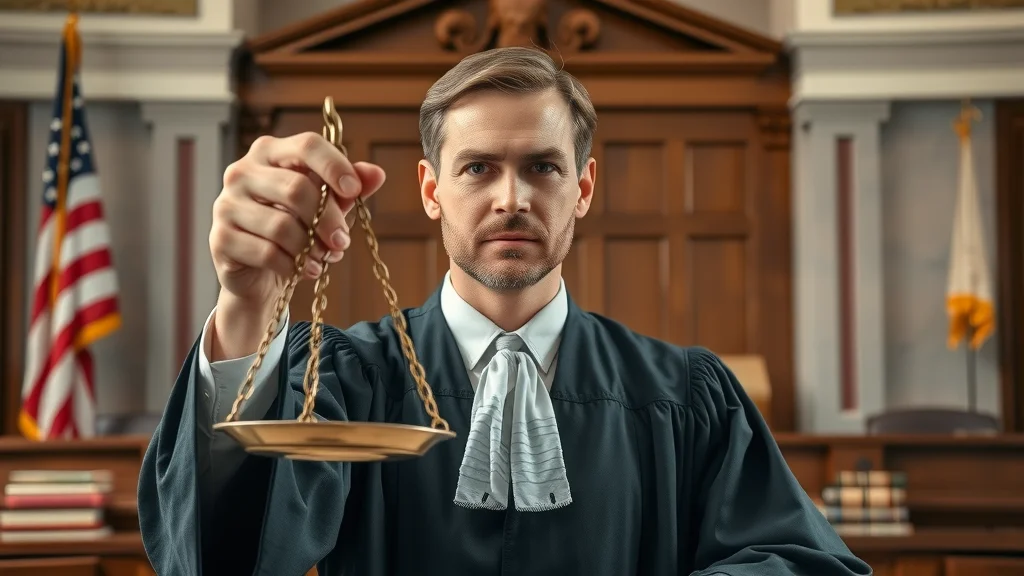
This legal foundation requires everyone, especially law enforcement, to act within the law. When a police officer crosses the line—falsely accuses, wrongfully arrests, or treats someone with excessive force—they not only violate a person’s dignity, but also their protected civil rights. Understanding these basic rights is vital to ensuring you recognize a civil rights violation if it happens to you or someone you know.
Police Officer Responsibilities and Accountability
Police officers swear an oath to serve and protect. This duty means respecting every citizen’s rights while keeping communities safe. Yet, it’s an unfortunate reality: police officers, like anyone, can make grave mistakes. Sometimes these go beyond honest errors and amount to outright abuses of power—resulting in false arrests, malicious prosecution, and other infringements.
When a law enforcement officer detains or prosecutes an individual without lawful reason, they are not just breaking department protocols—they are violating the core principles our justice system is built on. Victims of these violations may endure trauma, reputational damage, and significant legal hurdles. That’s why accountability is crucial: bringing such cases to light through a civil lawsuit serves not only to seek justice but also to help ensure law enforcement upholds the standards entrusted to them by the community.
Identifying a Civil Rights Violation by Police Officers
- Common civil rights violations: excessive force, false arrest, malicious prosecution
- How law enforcement may overstep legal boundaries
- Warning signs of rights violations
| Type of Violation | Example Scenario | Potential Outcome |
|---|---|---|
| False Arrest | Detained without probable cause | Criminal record, emotional trauma |
| Malicious Prosecution | Charged due to personal bias | Criminal charges, reputational harm |
| Excessive Force | Unreasonable physical force | Physical injury, civil rights claim |
The warning signs of a civil rights violation can sometimes be subtle, but often they’re clear: an arrest or detention without probable cause, mistreatment without justification, or criminal charges based on false or manipulated evidence. Law enforcement officers who engage in these practices must be held to account, both for the sake of individual justice and the broader public trust. If you believe your rights have been violated, seek legal advice immediately—a swift response can be crucial to a successful rights claim.
False Arrest & Malicious Prosecution: Definitions and Examples

Civil rights violations by police officers can take many forms, but two of the most harmful are false arrest and malicious prosecution. Both can turn an innocent citizen’s world upside down, launching them into a confusing, frightening, and often unjust criminal case. Understanding the definitions and common real-world examples empowers you to recognize these rights violations quickly—and take decisive action if they happen to you.
False Arrest: What It Is and When Police Officers Cross the Line
A false arrest occurs when a police officer restrains or detains someone without probable cause or legal justification. This means that even if you haven’t committed a crime, you could be taken into custody simply because an officer “believes” you might have done something wrong. False arrest often arises from mistaken identity, unlawful stops, or even deliberate misconduct to cover up an officer’s own errors or an unsolved case.
Victims of false arrest not only face the stress of a sudden detention, but may also be subjected to fingerprinting, mug shots, and having their names entered into criminal databases. The trauma can continue long after, as even an unfounded arrest may remain on your record, harming employment prospects and personal reputation. If you are arrested without proper cause, you have the right to challenge this violation—and should act swiftly to preserve evidence for a civil rights claim.
Malicious Prosecution: When Law Enforcement Uses the Courts Unjustly
Malicious prosecution takes violations a step further: it refers to law enforcement or a prosecutor pursuing criminal charges against a person not to serve justice, but out of personal bias, to cover misconduct, or due to pressure from others—even when there’s no valid evidence. The key factor is that the prosecution is started (and often continued) without reasonable grounds and with malicious intent. Victims may find themselves entangled in expensive, drawn-out legal battles, suffering emotional distress and severe reputational harm.
For example, if a police department brings charges against someone to appease a fabricated victim or retaliate after the defendant exposed police misconduct, this crosses into malicious prosecution. Such abuses not only harm individuals—they undermine public confidence in the justice system. Victims can pursue compensation and justice through a malicious prosecution claim if they prove the case was brought with improper motives and ended in their favor.
The Consequences of Civil Rights Violations: Your Rights and Legal Recourse
- Filing a civil rights claim
- Seeking compensation for damages
- Holding police officers and law enforcement accountable
The impact of a civil rights violation can ripple throughout every part of your life. Emotional distress, lost opportunities, family strain, and financial loss are just a few possible consequences. Importantly, victims are entitled to file a civil rights claim in state or federal court to seek justice and compensation for their suffering. These lawsuits not only address the harm done to individuals, but help deter future misconduct by law enforcement.
Successful civil rights claims can result in monetary damages for medical expenses, lost wages, pain and suffering, and sometimes punitive damages meant to punish egregious misconduct. The process can be complex, especially when challenging powerful entities like a police department or government officials—but a knowledgeable rights lawyer can help guide you through each stage, building a compelling case for accountability.
Building a Civil Rights Claim After a False Arrest or Malicious Prosecution
What Evidence Do You Need for Civil Rights Claims?

When asserting a civil rights claim for false arrest or malicious prosecution, successful cases hinge on concrete evidence. Documentation is key. This can include police reports, witness statements, photographs or videos of the incident, medical records (if there were injuries from excessive force), and any paperwork relating to the underlying criminal case. In malicious prosecution cases, court records showing how the criminal proceeding unfolded—especially if charges were dropped or you were acquitted—are crucial.
Begin gathering all possible evidence immediately after the event, while memories are still fresh and supporting materials are easier to recover. A strong paper trail helps your future law firm build a compelling argument that a police officer or department violated your rights. Meticulous organization of every interaction with law enforcement will increase your chances of a favorable outcome in a court of law.
The Role of a Civil Rights Lawyer and How to Choose the Right Law Firm
An experienced civil rights lawyer or law firm can be the difference between a dismissed case and tangible justice. These attorneys understand how to fight for your interests against police officers, government officials, and city departments. Look for a law firm with a proven track record in civil rights claims, specific experience with false arrest and malicious prosecution, and a willingness to take cases to trial when necessary.
As a victim, your lawyer should offer compassion and clarity—explaining your rights and options and representing your interests at every step. The best civil rights attorneys (such as The Howard Law Firm) employ investigative resources, legal experience, and relentless advocacy to build strong cases and pursue every available remedy for their clients.
"The Howard Law Firm stands ready to defend those who have suffered due to police misconduct, fighting relentlessly to restore justice."
Case Studies: Real-World Examples of Civil Rights Claims Succeeding in Court
- Case A: Overcoming false arrest with strong evidence
- Case B: Successful malicious prosecution claim leads to compensation
- Key takeaways from landmark rights violations cases

Case A: After being wrongfully detained for a crime he did not commit, a young man documented every interaction with law enforcement. Supported by multiple witness statements and video evidence, his civil rights lawyer built a compelling case. The jury found the arrest unjustified and awarded damages for emotional distress and reputational harm, setting an important precedent for other false arrest victims.
Case B: In another instance, a woman faced criminal prosecution on trumped-up charges orchestrated by a police officer with a personal vendetta. When her criminal case was dismissed due to lack of evidence and clear proof of misconduct, her civil rights attorney pursued a claim for malicious prosecution. A federal court awarded her substantial compensation for financial losses, distress, and damage to her reputation—showcasing the power of legal action in holding law enforcement accountable.
These real-world victories prove that justice is possible, even in the face of formidable opposition from police departments. The critical takeaways: document everything, act swiftly, and seek help from an experienced rights lawyer to maximize your chances for redress and recovery.
Steps to Take Immediately If You Experience a Civil Rights Violation
- Document every detail of the incident: Record times, places, names, badge numbers, and a thorough account of what happened.
- Seek medical attention, if necessary: If you were injured, request care right away and retain all medical documentation.
- Report the event to trusted individuals: Let a family member, friend, or legal adviser know what occurred as soon as possible.
- Consult with a reputable civil rights lawyer: Contact an experienced law firm to review the facts and determine your next steps.
Taking prompt, decisive action is often the difference between unresolved trauma and holding responsible parties accountable for their misconduct.
FAQs: Civil Rights, False Arrest, & Malicious Prosecution
Is malicious prosecution a civil rights violation?
Yes, malicious prosecution can be a civil rights violation under federal law, especially when initiated by police officers or prosecutors without reasonable grounds and with improper motives. Victims may be able to bring a civil lawsuit if they can show the prosecution ended in their favor and caused damage.
Is false arrest a civil rights violation?
Absolutely. False arrest violates your rights under the Fourth Amendment and can form the basis of a civil rights claim. If a police officer detains you with no probable cause or legal justification, you may have grounds for a legal action against those responsible.
What is the difference between false arrest and malicious prosecution?
False arrest occurs at the moment you are unlawfully detained, whereas malicious prosecution involves being subjected to a criminal proceeding without probable cause or proper legal basis, often with malicious intent. Both are serious rights violations, but malicious prosecution requires proof that the legal process was abused after the initial detention.
What are the four elements of malicious prosecution?
To prove malicious prosecution, you typically must show: (1) the defendant initiated a criminal proceeding, (2) without probable cause, (3) with malice, and (4) the proceeding ended in your favor. Each element must be met for your claim to succeed.
A legal expert explains civil rights, highlighting examples of false arrest and malicious prosecution. Visuals include law books, the American flag, and a balanced, professional setting.
Guidance from a civil rights lawyer on immediate steps to protect yourself after a violation.
Key Takeaways: Safeguarding Your Civil Rights Against Police Officer Misconduct
- Recognize the signs of a civil rights violation
- Understand the legal distinction between false arrest and malicious prosecution
- Act quickly and document your experience
- Seek experienced legal guidance
Protect Your Future—Contact a Georgia Civil Rights Attorney Today
If you or someone you care about has been harmed by police misconduct, false arrest, or malicious prosecution, don't wait. The attorneys at The Howard Law Firm are ready to fight for your rights, help you build a strong case, and restore your peace of mind.
Take action to protect your civil rights—seek experienced legal counsel if you’ve been the victim of law enforcement misconduct. Your rights—and your future—are too important to ignore.


Write A Comment